What the Dutch Know About Water That Britain Is Only Beginning to Learn
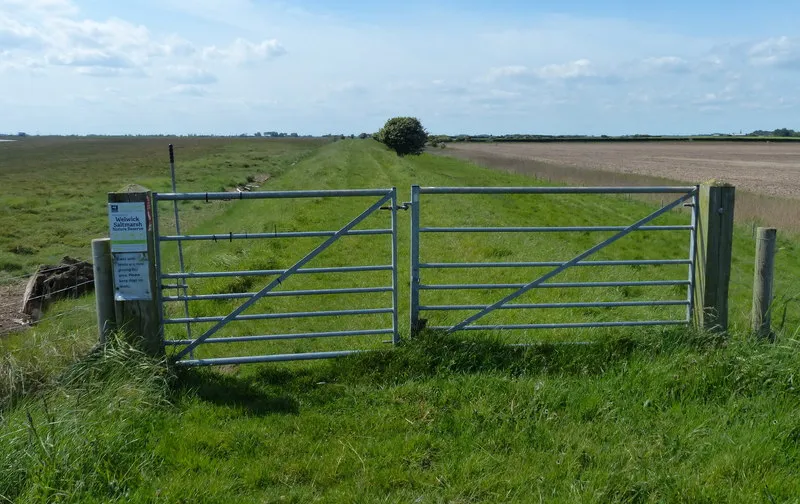
Photo: Mat Fascione, CC BY-SA 2.0, via Wikimedia Commons
Britain has a habit of treating flooding as an emergency. The Netherlands treats it as a permanent condition of existence. Roughly a third of the country lies below sea level, and the 1953 North Sea flood — which struck both nations, killing more than 1,800 people in the Dutch lowlands — shaped two very different national responses. The Dutch built a system; Britain built a patchwork.
As UK climate projections point to wetter winters and more intense rainfall events, there is genuine value in asking which Dutch practices could be transplanted here. There is equal value in being honest about which cannot be.
Five Lessons Worth Importing
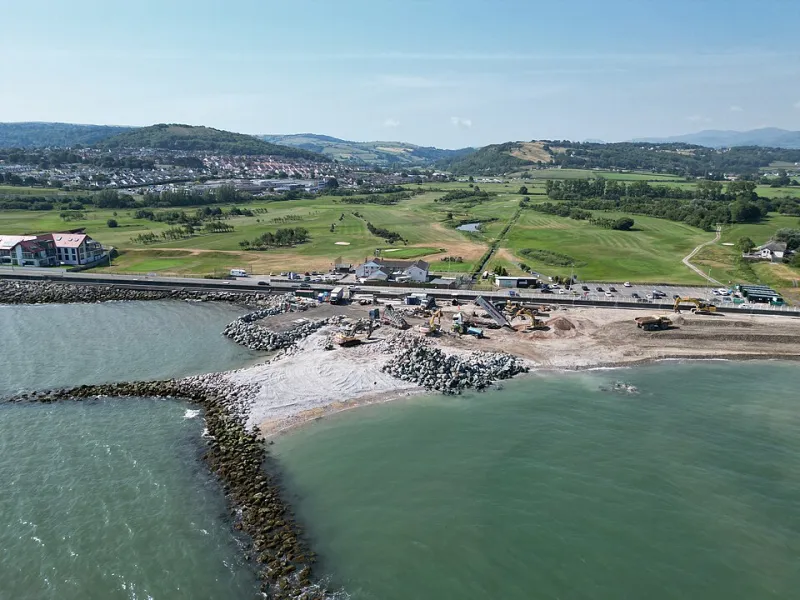
1. Design with the water, not against it. The Dutch 'Room for the River' programme, completed across more than 30 locations, deliberately lowered floodplains, widened channels and relocated dykes inland to give peak flows somewhere to go. Compare that with Britain's continuing reliance on hard defences that displace water downstream. For UK catchment partnerships, the principle translates directly: engineered floodplain storage and river restoration should be evaluated as infrastructure, not as environmental decoration.
2. Fund water management as a permanent utility. Dutch water boards — waterschappen — are among the oldest democratic institutions in the country, levying their own taxes and planning on multi-decade horizons. British flood defence, by contrast, lurches between six-year investment cycles and post-storm emergency funding. A dedicated, ring-fenced funding stream for water-level management would be the single most structural lesson Britain could adopt.
3. Make resilience a design standard, not an aspiration. Dutch law requires defences to meet defined probability standards, independently assessed every few years. The UK's approach — building to a standard of protection that degrades silently as climate data updates — leaves assets obsolete on paper long before they fail in practice. Periodic statutory re-assessment would force the maintenance conversation before the crisis does.
4. Integrate piling and ground engineering into water projects early. Dutch marine and civil contracts typically bring foundation and geotechnical specialists into the design team from day one, recognising that soft, waterlogged ground is the norm, not the exception. On UK flood embankments and tidal defences, late-stage ground investigation remains a familiar source of cost escalation. Early geotechnical involvement is cheap insurance.
5. Communicate risk in plain numbers. Dutch households know whether they live behind a defence rated for a 1-in-1,000-year event or a 1-in-100. British flood maps are improving, but risk communication remains vague. Informed communities make better planning objections, better insurance decisions and better evacuees.
Two Lessons to Leave Behind
First: the delta-scale mega-project model. The Delta Works and the more recent Delta Programme succeeded because they protect a densely populated, geographically compact nation with an unbroken line of defence logic. Britain's coastline is fragmented, its estuaries are wide, and its flood risk is dispersed across thousands of kilometres of rivers, culverts and coastal cells. Copying the Dutch instinct for a single grand solution risks the classic British failure mode: one flagship scheme, everywhere else neglected. Distributed, catchment-scale intervention fits our geography better.
Second: governance by consensus at any speed. The Dutch polder model — exhaustive stakeholder consultation before any spade goes in — produces durable agreements, but it is slow, and it works partly because water boards hold permanent authority between consultations. Transplanting the consultation culture without the permanent institutions would simply add years to UK consenting processes that are already strained.
The Common Thread
What ultimately distinguishes Dutch practice is not any single technique but a mindset: water infrastructure is never finished, never funded once, and never someone else's problem. Britain's engineering capability is more than equal to the task — firms across the UK deliver world-class marine, civil and mechanical work in exactly this tradition. What is needed is the procurement and planning framework that lets that capability plan in decades rather than parliaments.
The tide, as the Dutch would say, does not negotiate. Neither should our preparation.