Where the Tide Keeps the Schedule: Engineering for Britain's Harshest Building Sites
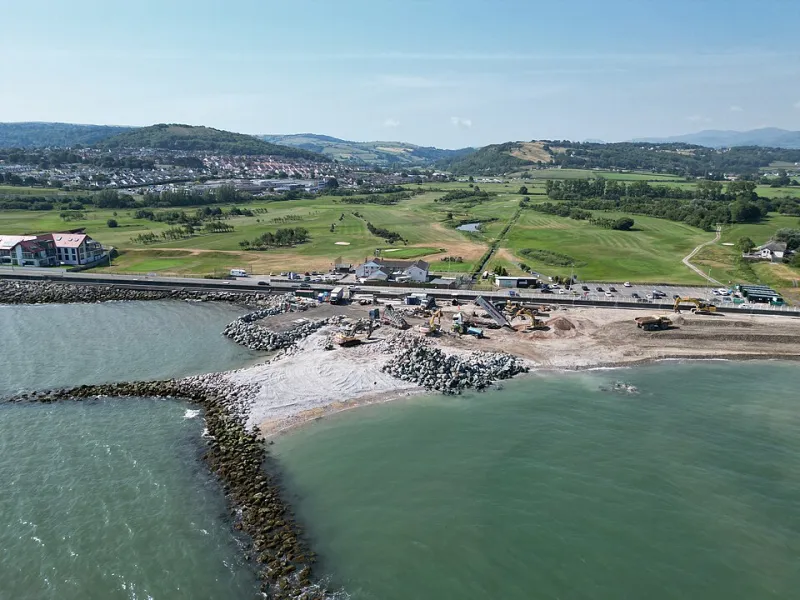
Photo: Llywelyn2000, CC BY-SA 4.0, via Wikimedia Commons
There is a reason marine and coastal works command respect across the construction industry. A structure built fifty metres inland might last its design life with routine maintenance. The same structure, positioned on the foreshore, faces an entirely different proposition: immersion cycles, chloride ingress, abrasion from sediment, and working windows measured in hours rather than weeks.
For local authorities and port operators commissioning coastal assets, understanding these pressures is not an academic exercise. It directly affects whole-life cost, and increasingly, it determines whether a sea wall or quay remains serviceable as sea levels rise.
The Chloride Problem
Reinforced concrete is the workhorse of coastal construction, but it carries a well-documented vulnerability. Chloride ions from saltwater penetrate the concrete cover and, once they reach the reinforcement, initiate corrosion. As steel rusts, it expands — sometimes to several times its original volume — cracking the concrete from within.
The consequences are visible along much of the UK coastline: spalling concrete on sea walls built in the 1960s and 1970s, rust staining streaking down seaward faces, exposed reinforcement on parade walls from Norfolk to the Lancashire coast. Remediation at this stage is expensive. Prevention at specification stage is comparatively cheap.
Modern practice addresses the problem in layers. Supplementary cementitious materials such as ground granulated blast-furnace slag (GGBS) reduce permeability significantly. Increased cover distances, corrosion-resistant reinforcement in vulnerable zones, and hydrophobic surface treatments all extend service life. For critical assets, cathodic protection — either galvanic anodes or impressed current systems — offers active defence against corrosion initiation.
Steel in the Splash Zone
Where steelwork is unavoidable — sheet pile walls, lock gates, crane rails, mooring structures — the splash zone presents the most aggressive exposure of all. Structures in this band are neither fully submerged nor fully dry, and the constant wetting and drying accelerates section loss.
Protective strategy here is a combination of coating systems, steel grade selection and, where appropriate, deliberate over-specification of section thickness to allow for predictable corrosion over the design life. Duplex coating systems, combining a metallic zinc layer with a high-build epoxy, remain the benchmark for marine steelwork. Application quality matters as much as the product itself: surface preparation, ambient conditions during application and inspection regimes all determine whether a coating achieves its intended lifespan.
Working to the Tide
Material science is only half the story. The programming of coastal works is dictated by the tide table to a degree that surprises clients unfamiliar with marine construction.
A rock revetment placement might only be possible during low-water windows of three to four hours. Piling operations from a floating platform must account for tidal range, swell forecasts and safe access. Winter storms can suspend work entirely, compressing viable construction seasons into spring and summer months — which in turn places a premium on contractors who can mobilise and demobilise efficiently.
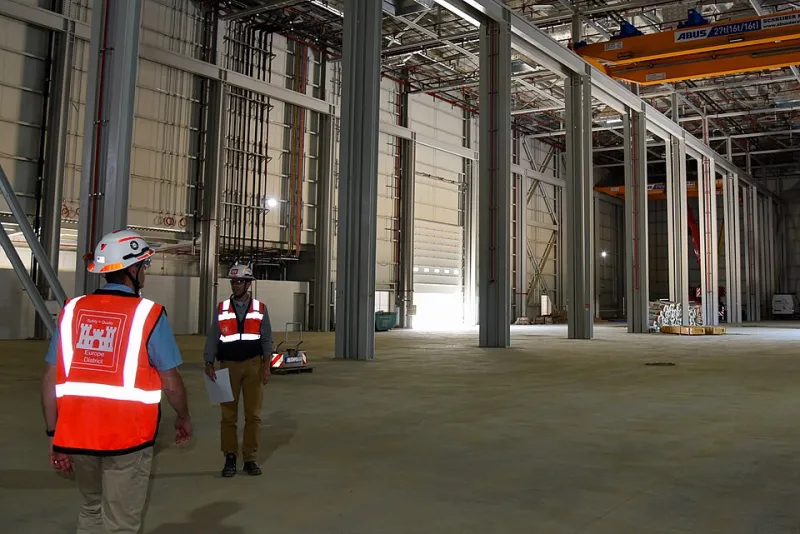
Experienced marine contractors plan around these constraints rather than against them. Pre-fabrication on land, modular components lifted into position during suitable windows, and robust contingency programming all reduce exposure to the elements. The best programmes build in weather risk honestly rather than optimistically.
Durability as Investment
The Environment Agency's coastal programmes and shoreline management plans make clear that defending the coastline is a long-term commitment, not a one-off capital project. Assets commissioned today will need to perform through decades of rising sea levels and potentially more frequent storm events.
This reframes the procurement question. A tender evaluated purely on capital cost will favour the thinnest concrete cover and the lightest coating specification. A whole-life cost appraisal — accounting for maintenance access, predicted corrosion rates and expected intervention points — tells a different story. For a sea wall with a 100-year design life, modest additional specification at construction can defer major refurbishment by decades.
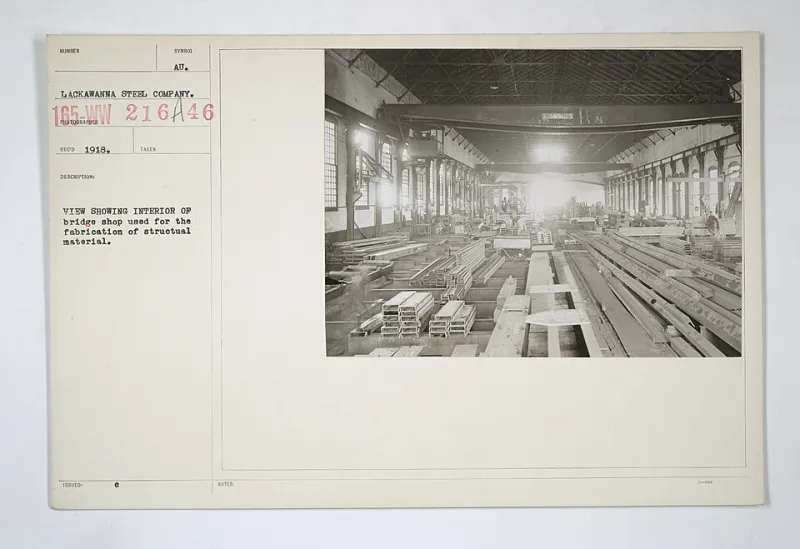
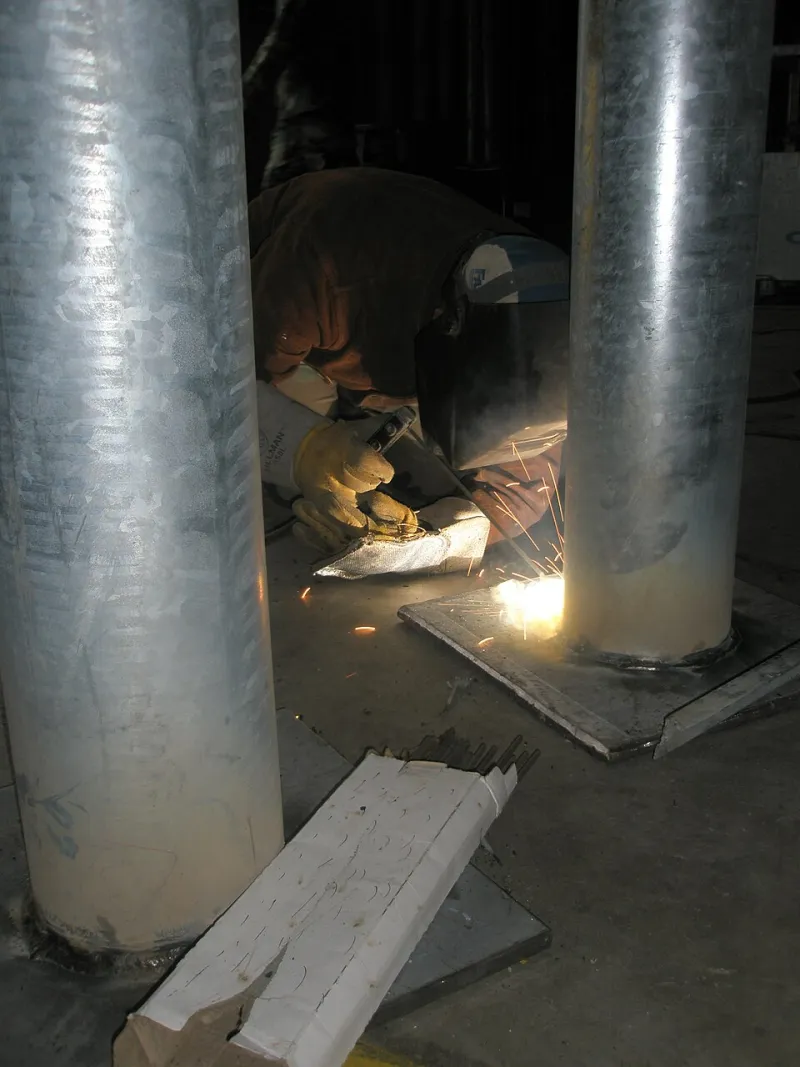
Public-sector clients are increasingly alive to this. Frameworks for coastal defence and maritime works routinely ask bidders to demonstrate durability planning, material traceability and maintenance strategies alongside price. Contractors who can evidence this discipline — through previous marine delivery, in-house welding and fabrication capability, and documented inspection regimes — offer clients something more valuable than the lowest number: certainty.
Britain's coastline will always be a demanding place to build. But with rigorous material selection, honest programming and a long-term view of value, coastal infrastructure can be engineered not merely to survive, but to endure.