Twelve Months, One Logbook: What a Site Engineer's Diary Reveals About Honest Programmes
Photo: site engineer writing in logbook on British construction site winter high visibility, via mrdclassified.weebly.com
Site diaries are unglamorous documents. They are filled in at the end of a shift, often cold, sometimes wet, and almost never with an audience in mind. Which is precisely what makes them honest. We have spent some time with the logbook from a twelve-month civil engineering contract in the English Midlands — a flood alleviation scheme involving piling, reinforced concrete structures and a fair amount of standing water — because it tells a story that no capability statement ever quite manages to tell.
January: The Ground Has Other Ideas
The first entry of the year is brief. Piling plant mobilised. Ground frozen to approx. 300mm. No driving.
Anyone who has stood on a British site in January will recognise the situation. Precast piles do not care about your milestone dates, and driven piles through frost-hardened ground risk refusal, damage or both. The programme had allowed two weeks of float for exactly this. It was used, and the contract moved on. This is the first lesson the diary teaches: a realistic programme is not a cautious one. It is one written by people who have worked through a British winter before.
March: Water Tables and Wet Signatures
By spring, the excavation for the control structure had reached the point where the logbook changes character. Entries become measurements: stand heights, pump rates, drawdown readings taken twice daily.
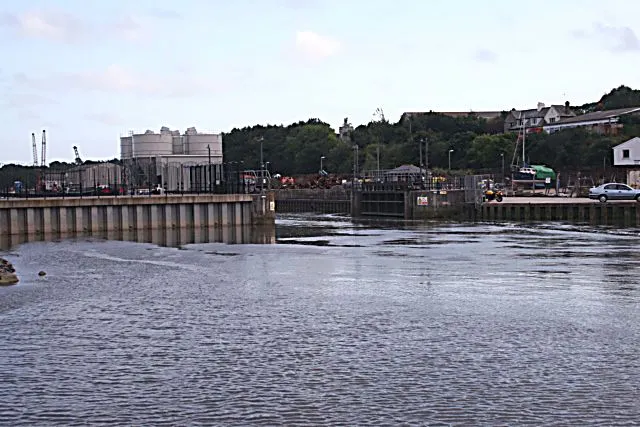
Groundwater is the quiet dictator of civil engineering. The diary records a fortnight in March when a sustained period of rain pushed the water table above the formation level, and the dewatering system worked around the clock to hold the excavation dry. Nothing dramatic happened — because the temporary works had been designed for precisely this condition. The entries are calm because the engineering was sound, not because the weather was kind.
June: When Heat Becomes the Problem
The summer entries flip the assumption that weather only threatens winter programmes. A week of temperatures above 30°C — increasingly common, no longer exceptional — forced changes that the diary records in careful detail: concrete pours shifted to early morning, curing membranes applied sooner, and a steelwork sequence amended because the temporary works deck had expanded enough to affect setting-out tolerances.
None of this appears in a brochure. All of it appears in a competent contractor's method statements, and the diary confirms they were followed.
September: The Access Road That Wasn't
One entry in September stands out for its brevity: Haul road impassable. Deliveries resequenced. Client informed 06:40.
A single night of heavy rain turned the site access into a churned track. The response — resequencing deliveries, notifying the client's representative early, protecting the permanent works rather than the convenience — is what clients are actually buying when they buy a contractor. The diary shows the decision was made before breakfast, not argued about for a fortnight.
What the Diary Should Teach a Procurement Team
For public-sector clients evaluating tenders, the value of a document like this is indirect but real. It demonstrates that the contractor's programme was built on an honest reading of the site, the season and the ground — not on a best-case schedule designed to win the job. When you assess bids, the questions worth asking are the ones this diary answers quietly:
- What float exists for winter working, and where?
- Who holds the dewatering and temporary works design risk?
- What is the escalation route when weather stops work on a Monday morning?
A bidder who can answer these with specifics — pump capacities, frost protocols, named decision-makers — is describing a site like the one in this diary. A bidder who answers with reassurances is describing a brochure.
The Unwritten Entry
The final entry of the logbook is a handover confirmation and a note that the permanent works had, by then, survived their first autumn storms. Twelve months, no lost time to structural failure, and no surprises that a well-written programme had not already priced in.
That is the whole argument, really. Infrastructure delivery in Britain is not a battle against nature so much as a negotiation with it — conducted by engineers who expect frozen mornings, high water tables and hot summers, and who write programmes that expect them too. Clients should be wary of anyone who suggests otherwise.