Eighteen Months, One Deadline: Inside the Delivery of a Modern Rail Depot
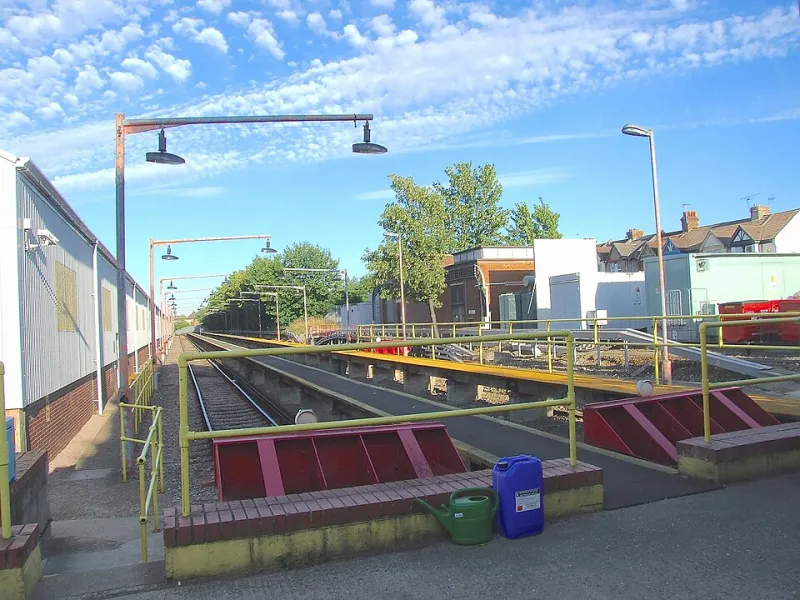
Photo: Chris Whippet, CC BY-SA 2.0, via Wikimedia Commons
When a train operator commits to new rolling stock, the depot that maintains it is not optional infrastructure — it is the linchpin of the entire franchise. Miss the depot handover and the trains have nowhere to go. This is why rail depot programmes run against deadlines that simply do not flex, and why delivering one in eighteen months is less about speed than about ruthless sequencing.
The Programme Is Inverted
On most construction projects, the building comes first and the fit-out follows. A rail depot inverts that logic. The long-lead mechanical items — overhead line equipment, jacking systems, wheel lathes, train lifting jacks, shed cranes — must be ordered months before the slab is poured, because a six-week delay in a jack delivery cannot be recovered by working weekends.
Experienced contractors therefore front-load procurement decisions that clients often expect to come later. Specialist mechanical installations are specified, ordered and, where possible, dry-assembled off site while the civils are still in the ground. The depot shed itself is, in programme terms, the easy part.
Possessions Are the Real Currency
Any connection to the operational railway is governed by Network Rail possessions — pre-booked windows when the line can be isolated. These are planned years ahead and missed possessions may not be recovered for months. A depot delivery team lives and dies by the possession calendar.
The discipline this imposes is total. Every crane lift, every cable pull across the running line, every commissioning activity that touches the existing infrastructure must be rehearsed, method-statemented and packed into a window measured in hours. Work that could be done off-connection — pre-assembly, panel testing, systems integration in the workshop — is pushed hard before the isolations begin, so the possession itself is as short and boring as possible. In rail work, boring possessions are the mark of a well-run job.
Mechanical Complexity Hides in Plain Sight
Visitors to a finished depot see a shed, some roads and a workshop. What they don't see is the mechanical nervous system underneath: compressed air and nitrogen reticulation, fuelling and effluent systems, sand delivery, bogie wash plant, ventilation and fume extraction sized for welding bays, and the SCADA backbone that ties it all to the depot control room.
Each of these systems interfaces with rolling stock safety cases. A fuelling system that dispenses at the wrong rate, or wheel lathe diagnostics that don't speak to the fleet's maintenance software, will slow turnaround times for years. Commissioning, therefore, is not a tail-end activity squeezed into the final fortnight — it is staged progressively, system by system, as installations complete.
Coordination Is the Critical Path
The honest answer to what it takes to build a depot in eighteen months is not heroics. It is coordination discipline: a single integrated programme where civils, mechanical, electrical and systems contractors plan against the same possession dates, and a client who understands that late design changes in month ten are not absorbed — they cascade.
Day one, when the first unit rolls in under its own power and the doors close behind it on time, looks unremarkable. That unremarkable quality is the achievement.