The Cheapest-Looking Site Is Rarely the Cheapest Build
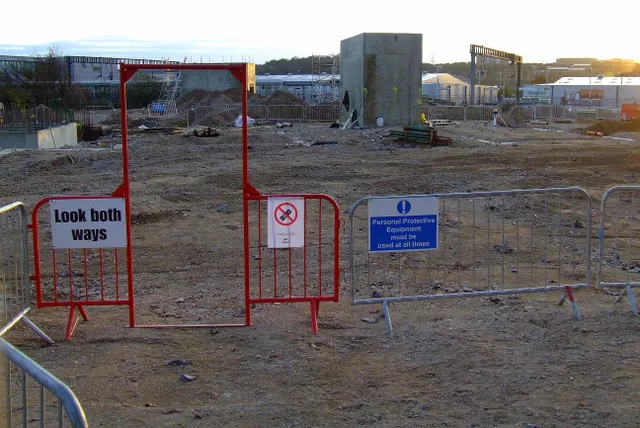
Photo: Thomas Nugent , CC BY-SA 2.0, via Wikimedia Commons
There is a familiar moment in every brownfield tender. The ground investigation report lands, and somewhere between the historical maps and the borehole logs, the assumptions that made a site look straightforward begin to unravel. A gasworks footprint here, a filled culvert there, slag that was never mapped. The cheapest-looking site has a habit of becoming the most expensive build on the portfolio.
Why the Policy Is Right Anyway
The brownfield-first principle is sound and worth defending. England has hundreds of thousands of previously developed parcels sitting in places where infrastructure already exists — roads, power, drainage, labour. Building on them relieves pressure on greenfield land and, done well, returns derelict industrial scars to productive use. For public-sector clients, it is often the only realistic option within an existing settlement boundary.
But good policy deserves honest engineering, and honest engineering begins with honest procurement.
The Pricing Problem
A fixed-price tender for a site with unquantified ground risk is not a price. It is a bet. Contractors price that bet in one of two ways: they load the tender with contingency, inflating the headline cost, or they price lean and rely on claims when the obstructions appear. Clients who award on lowest price are, in effect, selecting the bidder who bet most aggressively — and the variation account settles the difference later, with interest.
The better model allocates risk where it can be managed. Where a client funds thorough investigation and shares the resulting data openly, bidders can price the known conditions and the tender becomes a genuine competition on delivery capability rather than on guesswork.
What Remediation Actually Involves
Ground remediation is not a line item; it is a parallel engineering discipline. Contaminated soils may need stabilisation, encapsulation or licensed disposal. Gas protection requires membrane and venting systems detailed as carefully as any structure. Old foundations, buried tanks and unrecorded services turn excavation into forensic work, and each unexpected obstruction costs programme time that no amount of weekend working fully recovers.
None of this is a reason to avoid brownfield sites. It is a reason to programme them realistically and to appoint civil and mechanical contractors who have dug up their share of Victorian Britain and know what the ground keeps secret.
Questions Clients Should Ask Before Award
- What specific remediation assumptions is each bidder pricing, and how do they differ?
- Who carries the cost of material ground conditions — and is that allocation written clearly or implied?
- Does the programme include a genuine allowance for discovery, or does it assume the boreholes told the whole story?
- Can the contractor demonstrate relevant experience on gasworks, foundries or rail land specifically?
Value Hides in the Difficult Sites
The paradox of brownfield delivery is that the sites that look hardest often carry the most certain outcomes — because everyone prices them honestly. The site that looks cheap on the brochure is where optimism does its damage. Britain's industrial legacy land will be built on for generations; the clients who benefit will be those who buy engineering judgement, not the lowest number on a spreadsheet.