The Mill Down the Road: How British Steel Earned Its Place Back in Infrastructure Specifications
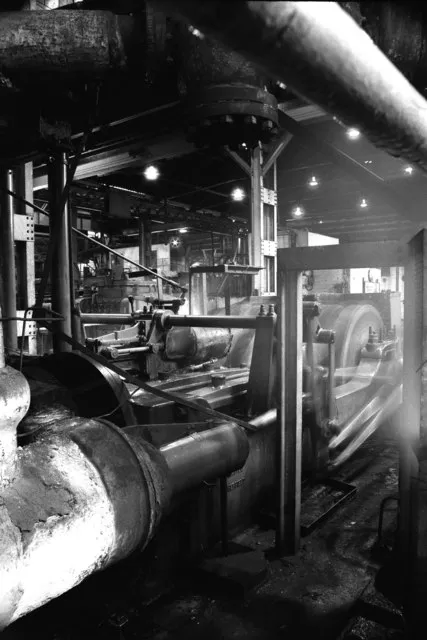
Photo: Chris Allen , CC BY-SA 2.0, via Wikimedia Commons
For two decades, the default answer to the question 'where does the steel come from?' was simple: wherever it was cheapest. A structural package might travel from the Far East, fabricated in Poland, galvanised in the Netherlands and bolted together on site by a subcontractor three tiers removed from the main contractor. Nobody in the procurement chain felt particularly good about it, but the numbers worked.
Those numbers have changed. Between the volatility of global shipping, the introduction of carbon reporting obligations, and a shift in how public bodies are permitted to evaluate social value, British-made steel, cement and fabrication have quietly returned to specification documents across the country. The question facing clients and contractors now is not whether to consider domestic supply, but how to assess it honestly.
What Changed the Arithmetic
Three forces have converged. The first is risk. The pandemic and subsequent geopolitical disruption exposed how fragile long supply chains really are; a project that could not take delivery of plate steel for eight months is a project that has missed its weather window and paid for a standing site team regardless.
The second is carbon. Under PAS 2080 and the growing requirements of public-sector carbon reduction plans, embodied emissions are no longer a footnote. Steel rolled in Port Talbot and fabricated in the UK carries a materially different transport footprint — and often a different production footprint — than steel that has crossed two oceans. As clients begin scoring whole-life carbon in tenders, that difference starts to count in the evaluation, not just in the press release.
The third is policy. The Procurement Act and the social value framework now give contracting authorities legitimate room to weigh local employment, skills and supply chain resilience alongside unit price. Local content, once a phrase that invited legal challenge, has become a defensible evaluation criterion when it is properly framed and consistently applied.
What 'Local Content' Actually Means in a Tender
There is a good deal of loose talk on this subject. Smelting iron in the UK is not the same as rolling it, and neither is the same as fabricating it. A genuinely British package might involve imported slab rolled domestically, or domestic plate fabricated in Yorkshire and installed by a national contractor. Buyers should be clear about which stage of the value chain they are actually trying to influence — jobs, carbon, resilience, or all three — and write the specification accordingly.
The practical guidance is straightforward:
- Define the boundary. Specify where rolling, fabrication or coating must occur, rather than relying on vague 'UK supply' language that invites creative interpretation.
- Ask for traceability. Mill certificates, weld procedure records and fabrication site addresses should be contractual deliverables, not courtesies.
- Score it transparently. If domestic content matters to the authority, it must appear in the published award criteria with a defensible weighting.
Handled this way, local content is legally sound. Handled loosely, it is an invitation to dispute.
The Honest Cost Question
Let us not pretend the premium has vanished. British steel and UK fabrication can cost more at the point of order — sometimes five to fifteen per cent on the material package, more in tight market conditions. A credible business case has to account for that honestly.
But the premium is rarely the whole story. Shorter supply lines mean shorter lead times and fewer currency exposures. Fabricators within reach of the site can attend coordination meetings, resolve clashes and turn around modifications in days rather than weeks. And when something goes wrong — a weld fails inspection, a bracket needs rework — the remedy is a van journey, not a shipping container.
On projects where programme risk carries a real price, as most infrastructure projects do, the domestic option frequently closes the gap on its own. Where it does not, the decision becomes a genuine trade-off between cost and resilience, and it deserves to be made deliberately rather than by default.
Commercial Decision or Reputational One?
The cynical reading is that Buying British is branding — a nice line in a bid, worth a headline but little else. The evidence increasingly points the other way. Carbon scoring, supply chain resilience and social value are entering evaluation models with actual weight attached. A tender that ignores domestic supply capability is not merely forgoing goodwill; it may be leaving marks on the table.
That said, reputational value and commercial value are not rivals here. They are the same argument expressed to different audiences. The finance director cares about lead times and dispute risk. The elected member cares about apprenticeships in the constituency. The sustainability officer cares about embodied carbon. Domestic supply happens to serve all three, which is precisely why it has survived the scrutiny that pure marketing would not.
A Practical Position for Buyers
Our own view, formed over years of delivering mechanical and structural packages, is this: specify domestic content where it is genuinely available and competitively capable, demand traceability at every stage, and evaluate the whole-life picture rather than the invoice. Do not mandate British supply where it does not exist — that path leads to single-tender procurements and inflated prices. Do mandate transparency, because a supply chain you cannot see is a supply chain you cannot defend.
The mills, forges and fabrication shops that remain in Britain are not a nostalgic relic. They are a working asset — one that infrastructure clients are only now learning to price properly.